Great Depression Tips to Learn Before The Collapse
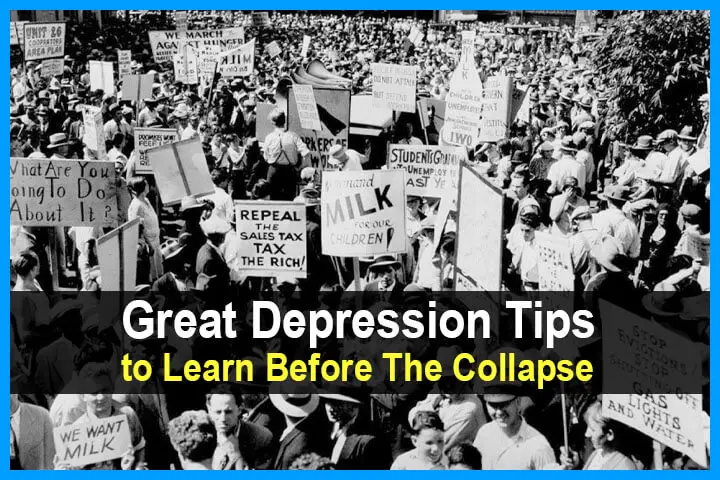
Find out how families survived the Great Depression. Here’s how to manage finances, healthcare, and daily life after economic collapse.

Topics about how to prepare for collapse such as food storage, frugality, health, home security, survival supplies, water storage, and more.
Find out how families survived the Great Depression. Here’s how to manage finances, healthcare, and daily life after economic collapse.

Don’t fall victim to home break-ins. Follow these home security tips to protect your property and keep your loved ones safe.

Learn about the power of natural antibiotics. Find out which plants can be used as alternatives to prescription antibiotics.
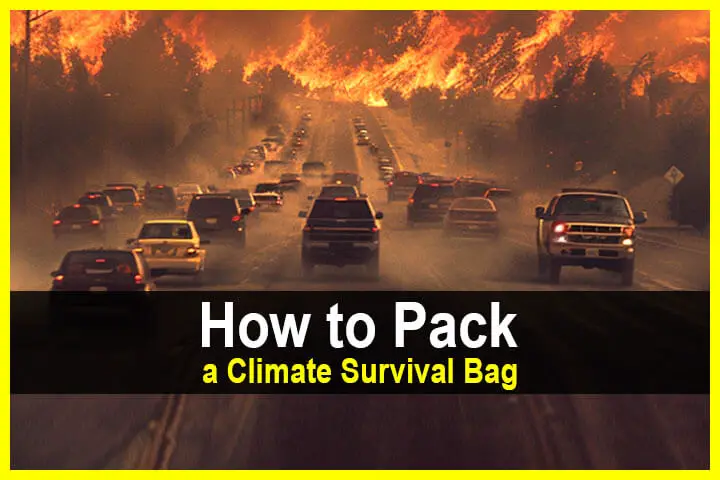
Prepare your climate survival bag with essentials for extreme weather. Stay safe and self‑sufficient when disaster strikes.
When supply chains get interrupted or the grid goes down, these items will be hard to find. Stock up while you still can.

These forgotten home remedies were once common knowledge. Learn how to improvise with everyday household items for natural remedies.

When you don’t have access to a gym, it’s still possible to stay in shape by improvising your workouts. Discover creative ways to stay fit!
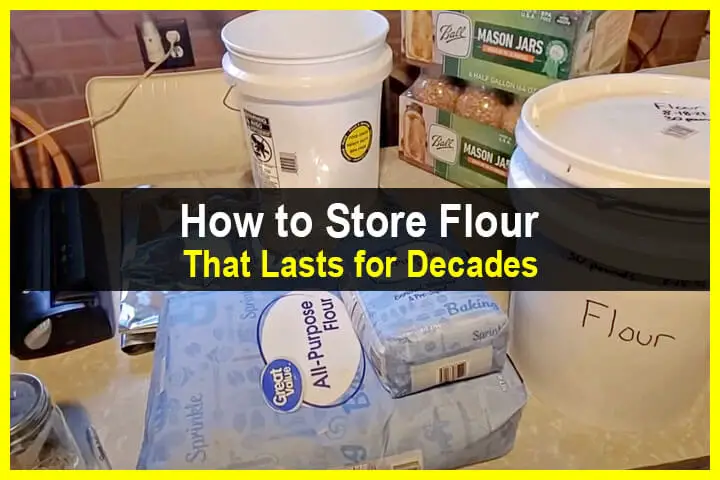
Learn the best methods for long-term storage of flour to ensure it lasts for decades without losing its quality or nutritional value.
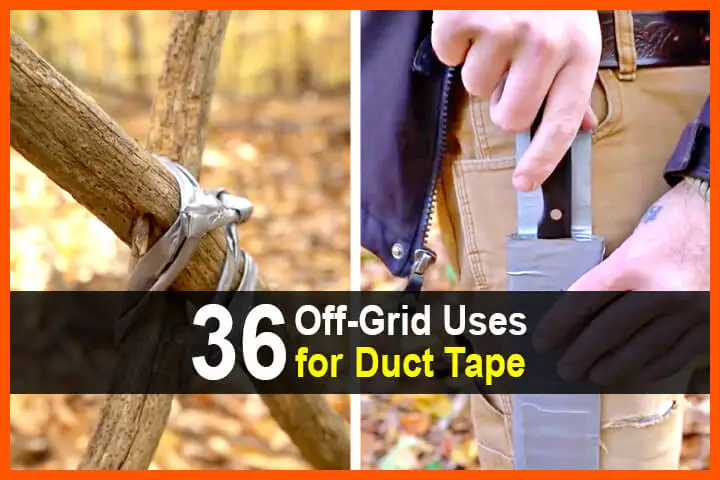
Duct tape can be a lifesaver in off-grid situations. Here are some creative ways to use duct tape for improvisation and problem-solving.
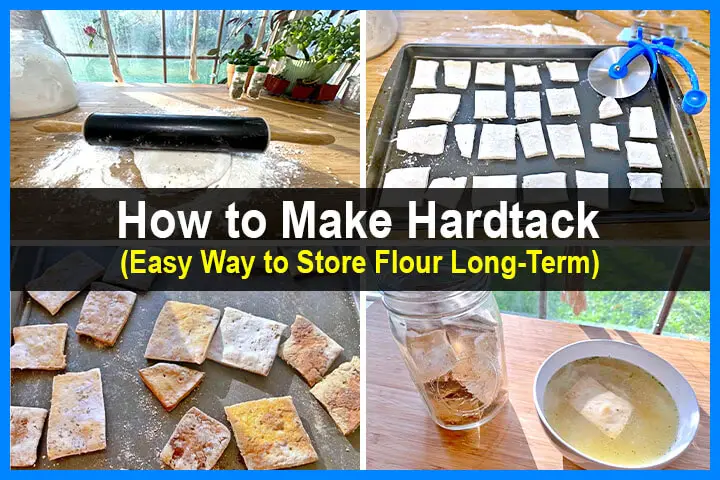
Hardtack is a simple, long-lasting survival food made from flour, water, and salt. Learn the easy way to make hardtack for emergencies.

Stockpiling raw honey can provide numerous medicinal and nutritional benefits. Here’s why you should add raw honey to your food storage.

Many of these wild edible plants that can be found in your neighborhood, providing a valuable source of food in survival situations.
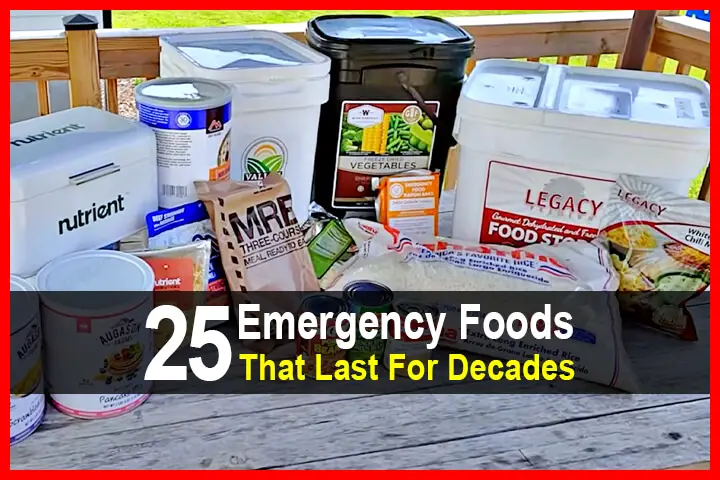
Here are 25 emergency foods that last for decades. Learn about their long shelf-life and how to store and use them in case of emergency.
Living without refrigeration is possible if you take steps to prevent spoilage. Discover ways to store food and without a refrigerator.

Getting in shape is not only important for leading a healthy life, but crucial for surviving in times of crisis or collapse.